
Vice President, Quality & Regulatory Affairs
Pending…
Pending…
Leading is an accomplished Chief Executive Officer with 25 years of global experience as an entrepreneur and executive leader. Throughout his career, he has demonstrated exceptional ability in founding and developing successful businesses, holding pivotal roles including Founder, Director of Marketing, CEO, President, and Board Member across diverse industries such as medical devices, agriculture, media,…
Pending…
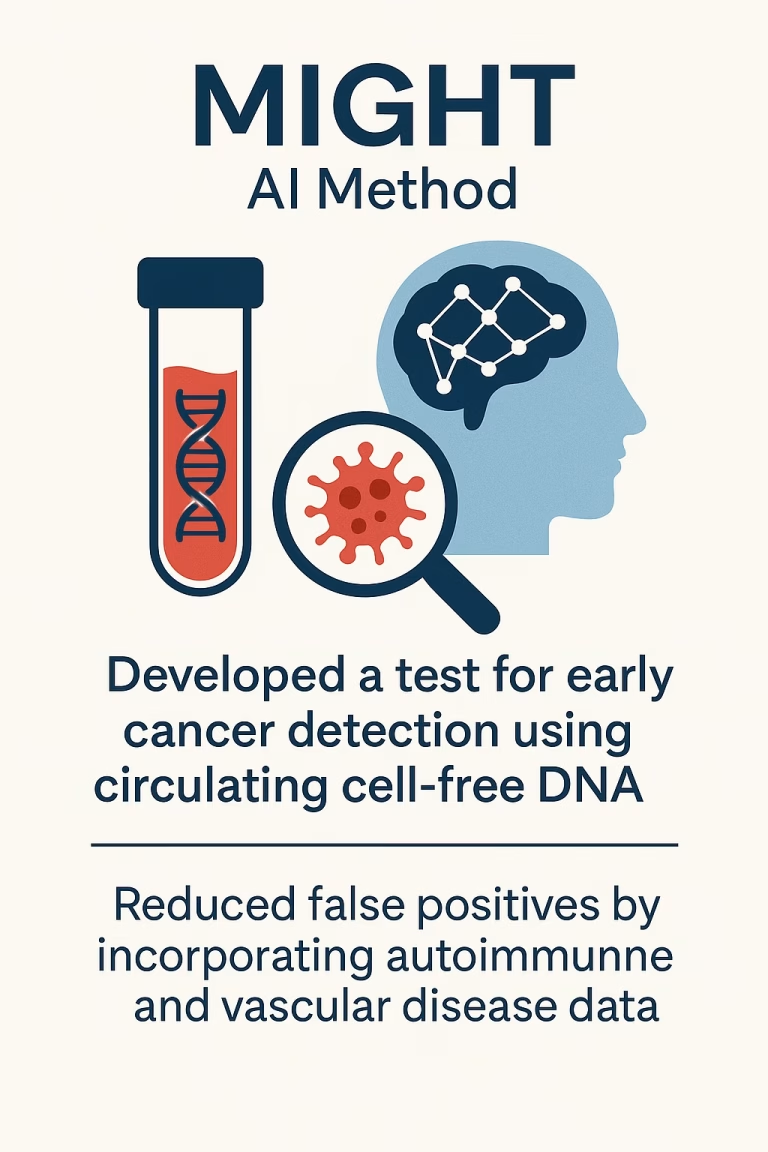
Researchers applied MIGHT to liquid biopsy data, focusing on ccfDNA fragmentation patterns (e.g., fragment lengths, positions, and end motifs) to determine which features reliably indicate cancer: Challenge: False Positives Linked to Inflammation A companion study discovered that certain ccfDNA fragmentation signatures thought unique to cancer were also present in individuals with autoimmune (e.g., lupus, scleroderma,…

1. Explosive Global Growth 2. Clinical Need Meets Technological Promise 3. Regional Drivers and Adoption Summary Table Metric Value 2024 Global Market Size USD 1.0 – 1.24 billion 2030 Forecast USD 2.86 billion 2033 Forecast USD 4.3 billion CAGR ~17% U.S. 2023 MCED Market USD 468.5 million Europe 2024 Share ~36% Key Growth Drivers Cancer…
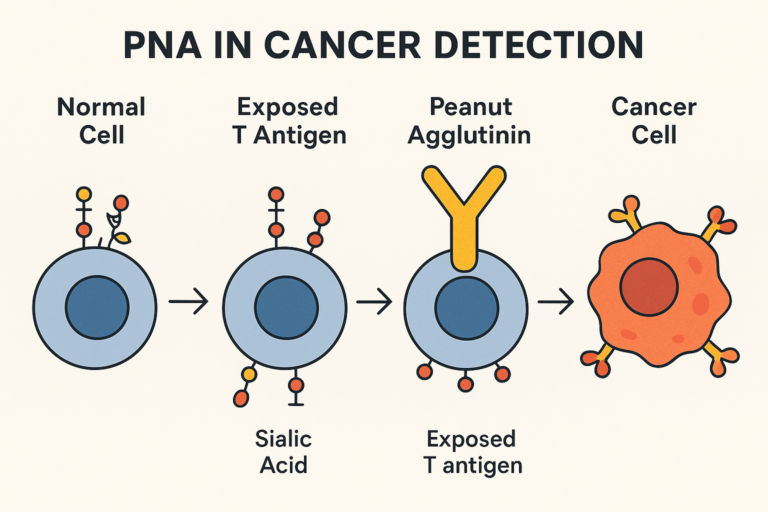
Peanut agglutinin (PNA) plays a role in cancer detection because it specifically binds to the Thomsen–Friedenreich antigen (T-antigen) — a carbohydrate structure that is hidden in normal cells but exposed in many cancer cells due to abnormal glycosylation. How It Works in Cancer Detection Why It’s Useful in Oncology
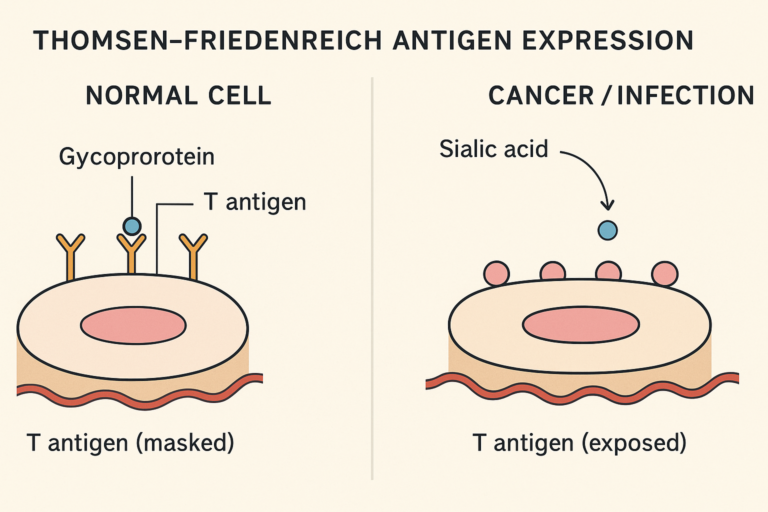
When it’s exposed, it can be detected by specific antibodies (like peanut agglutinin), and its presence is linked to disease processes. The Thomsen–Friedenreich antigen (T antigen) — sometimes called the T-antigen or T-disaccharide — is a carbohydrate structure normally hidden on cell surfaces by glycosylation. In healthy tissues, it’s cryptic (masked), but in certain diseases…
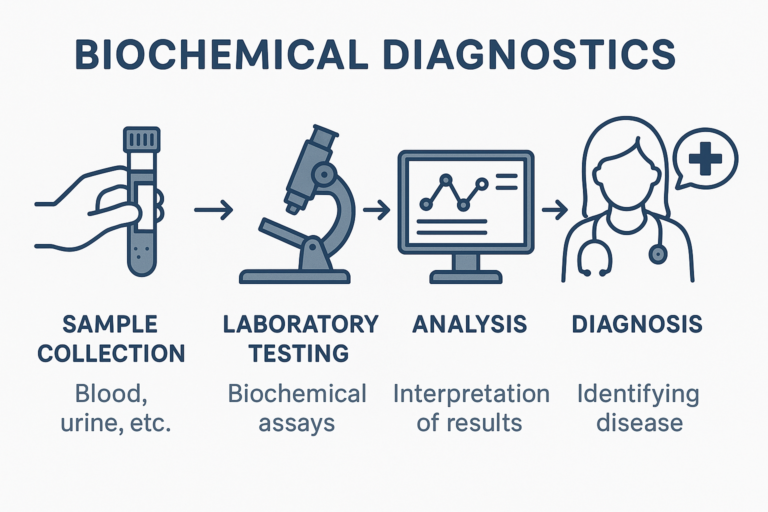
Biochemical diagnostics is the branch of laboratory medicine that uses chemical and biochemical tests to detect, measure, and interpret changes in the body’s biochemical processes for the purpose of diagnosing disease, monitoring health, or guiding treatment. Core Concept It’s based on the idea that illnesses often cause measurable changes in the levels or activity of…
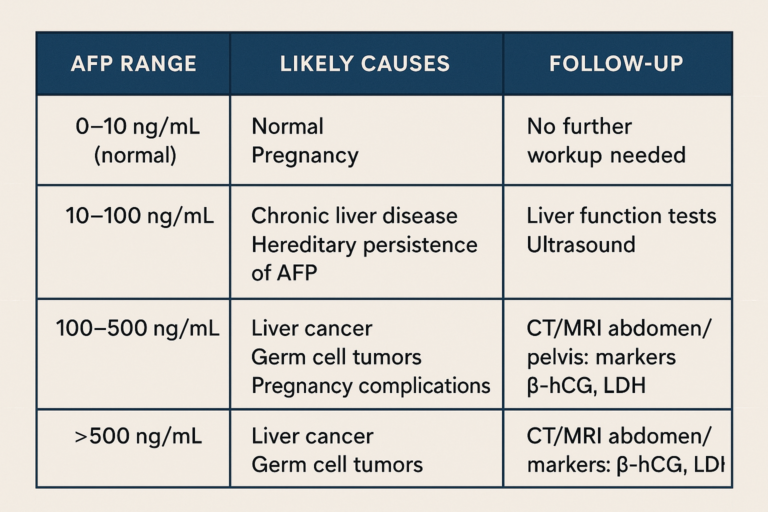
Alpha-fetoprotein (AFP) is a protein normally produced by the fetal liver and yolk sac during development. In adults, AFP levels are usually very low, so an elevated AFP can be a sign of certain medical conditions. Causes include: 1. Liver-related conditions 2. Germ cell tumors 3. Pregnancy-related causes 4. Other less common causes Key points:…